How Can Naturopathy Support Endometriosis?

Below is a summary of Amanda's presentation at a recent event hosted by Genea on Integrative Approaches to Supporting Endometriosis. You can watch the full talk on YouTube here.
Endometriosis is not “just a painful period.” It is a complex, chronic inflammatory condition that can affect nearly every aspect of a woman’s life — energy, digestion, mood, sleep, relationships, fertility and overall quality of life .
At its core, Endometriosis occurs when tissue similar to the uterine lining grows outside the uterus — commonly on the ovaries, fallopian tubes, bowel or bladder. These lesions behave differently to normal endometrial tissue and can drive persistent inflammation, pain and immune dysregulation.
A naturopathic approach does not replace medical care, but it can play a powerful role in reducing inflammation, supporting hormonal balance, correcting nutrient deficiencies and improving symptom control, while empowering women to better understand and care for their bodies.
Understanding Endometriosis as an Inflammatory Condition
Inflammation is central to Endometriosis. Chronic inflammatory signalling can contribute to:
- Pelvic pain, heavy bleeding and spotting
- Progesterone resistance, reducing the body’s ability to counter oestrogen-driven inflammation
- Impaired oestrogen clearance
- Increased oxidative stress, affecting egg quality, implantation and pregnancy outcomes
- Immune dysregulation, often seen alongside autoimmune conditions
This inflammatory environment means that dietary, gut, lifestyle and nutrient-based interventions are not just supportive — they are foundational.
The Gut–Endometriosis Connection
The gut and endometriosis have a bi-directional relationship. Women with endometriosis are more likely to experience bloating, constipation, diarrhoea, IBS, SIBO and food intolerances . These disturbances can worsen inflammation, disrupt ovulation and impair nutrient absorption.
Key mechanisms include:
- Altered gut microbiome diversity, particularly reduced Lactobacillus species
- Disruption of the oestrobolome — gut bacteria involved in oestrogen metabolism
- Increased activity of beta-glucuronidase, an enzyme that converts bound oestrogen back into active oestrogen, increasing oestrogen load
- Impaired gut barrier integrity, affecting detoxification and immune regulation
Supporting gut health is therefore central to hormonal balance and symptom management in endometriosis.
Diet for Endometriosis: An Anti-Inflammatory Foundation
A naturopathic dietary approach focuses on whole, nutrient-dense, anti-inflammatory foods that support blood sugar balance, hormone clearance and the gut microbiome.
Core principles include:
- Eating diverse, colourful whole foods rich in antioxidants
- Prioritising foods that spoil quickly over ultra-processed packaged foods
- Supporting stable blood sugar to reduce inflammatory signalling
- Increasing fibre and prebiotics to support oestrogen clearance and gut health
Key Food Groups
- Quality proteins to support gut lining repair
- Healthy fats such as olive oil, avocado, nuts, seeds, eggs and oily fish for hormone production and antioxidant absorption
- Low-glycaemic carbohydrates like quinoa, oats, buckwheat and roasted vegetables
- Antioxidant-rich foods including berries, leafy greens, orange root vegetables and nuts
- Prebiotic foods such as asparagus, artichokes, legumes, flax, chia and fermented foods
Helpful Dietary Modifications
Research suggests some women experience symptom improvement with targeted dietary changes, including:
- Gluten-free or Mediterranean-style diets
- Increased vegetable fibre intake
- Reduced intake of red meat, refined carbohydrates, alcohol and caffeine
- Avoidance of trans fats and ultra-processed foods
- Low-histamine approaches for women with pain, headaches or allergic symptoms
Dietary changes should always be individualised, as tolerance varies significantly between women.
Evidence-Based Nutrients and Supplements
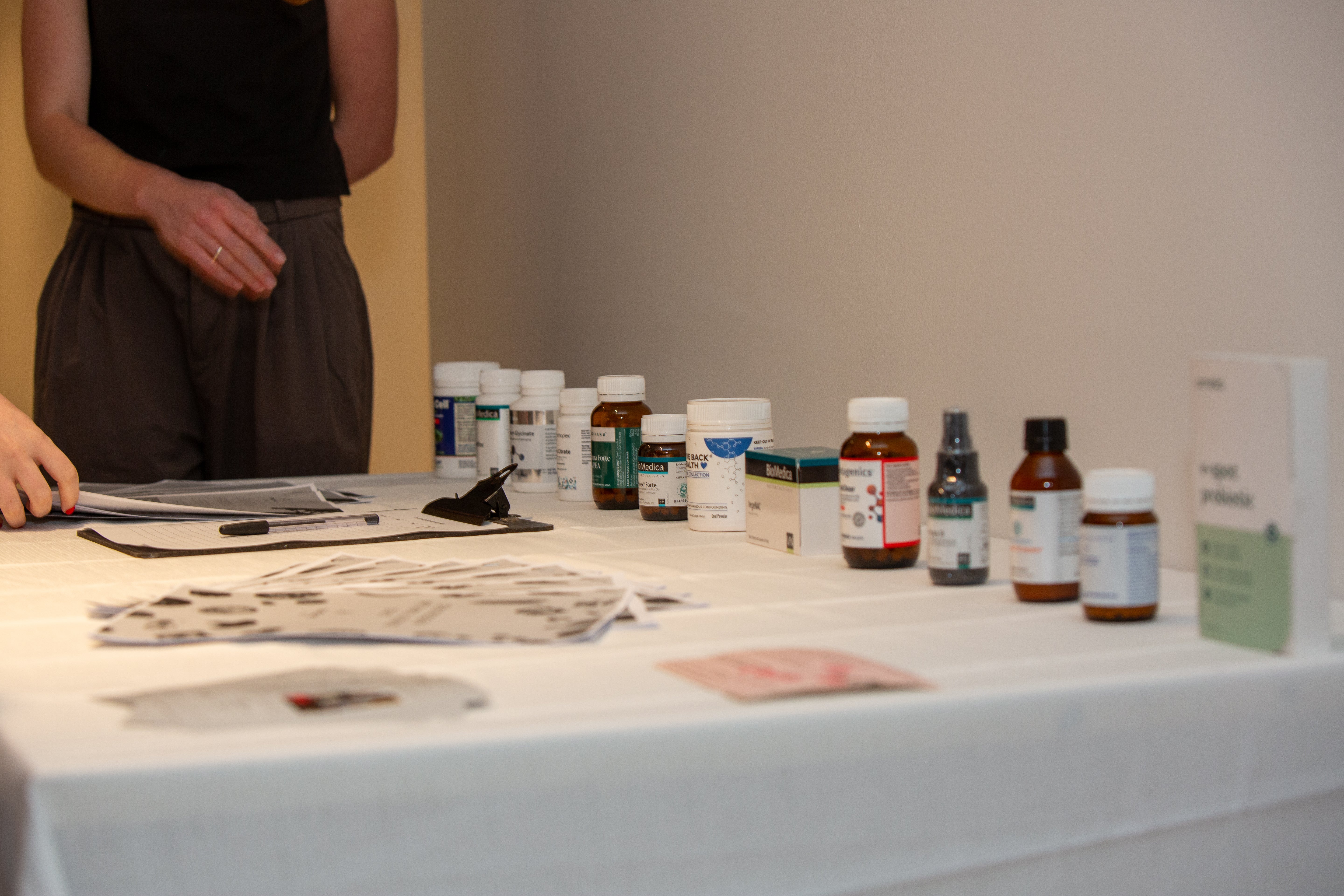
Naturopathic care may include targeted supplementation when clinically appropriate.
Omega-3 Fatty Acids
Omega-3s reduce inflammatory chemicals, pain signalling and muscle contraction. Higher intake has been associated with a lower risk of developing Endometriosis .
N-Acetylcysteine (NAC)
NAC has been shown to reduce pain, decrease endometrioma size and improve fertility outcomes, with evidence of lesion shrinkage in both human and animal studies .
Vitamin D
Vitamin D acts as both a hormone modulator and antioxidant. Deficiency is common in Endometriosis and correlates with disease severity. Supplementation has been associated with reduced inflammation, pain and improved progesterone receptivity .
Curcumin (Turmeric)
Curcumin down-regulates inflammatory pathways, suppresses endometrial cell proliferation and reduces oxidative stress. Its bioavailability is enhanced when combined with black pepper .
Key Minerals
- Magnesium for pain relief and muscle relaxation
- Zinc for hormonal pathways, bleeding and inflammatory control
Other supportive nutrients may include probiotics, B-vitamins, broccoli sprout extracts, ginger, antioxidants and iodine, depending on individual needs.
Lifestyle Factors That Matter
Lifestyle interventions are a vital part of naturopathic endometriosis care:
- Moderate, regular exercise to improve circulation, detoxification and pain
- Sleep and stress management to regulate cortisol and pain perception
- Hydration and sunlight exposure for hormonal and immune health
- Reducing exposure to endocrine-disrupting chemicals such as plastics, pesticides and heavy metals
- Supportive tools like TENS machines for pain management
Functional Testing to Individualise Care
Naturopathic practitioners may use functional testing to better understand underlying drivers, including:
- Gut microbiome analysis
- Hormone metabolism testing (e.g. DUTCH testing)
- Genetic panels assessing oxidative stress and oestrogen detoxification pathways
- Inflammatory and immune markers
A Holistic, Team-Based Approach
Endometriosis care works best when it is integrated and individualised. Naturopathic nutrition and herbal medicine can be combined with acupuncture, psychological support and conventional medical care to address both the physical and emotional impact of this condition.
You deserve to feel heard, supported and empowered — and with the right care team, meaningful improvements in symptoms and quality of life are possible.